

DITA Resources
The DITA ecosystem has a lot of resources — but not all of them are equally useful when you're trying to implement. Amber Swope shares her curated list of the tools, documentation, and communities she actually recommends to teams getting started.
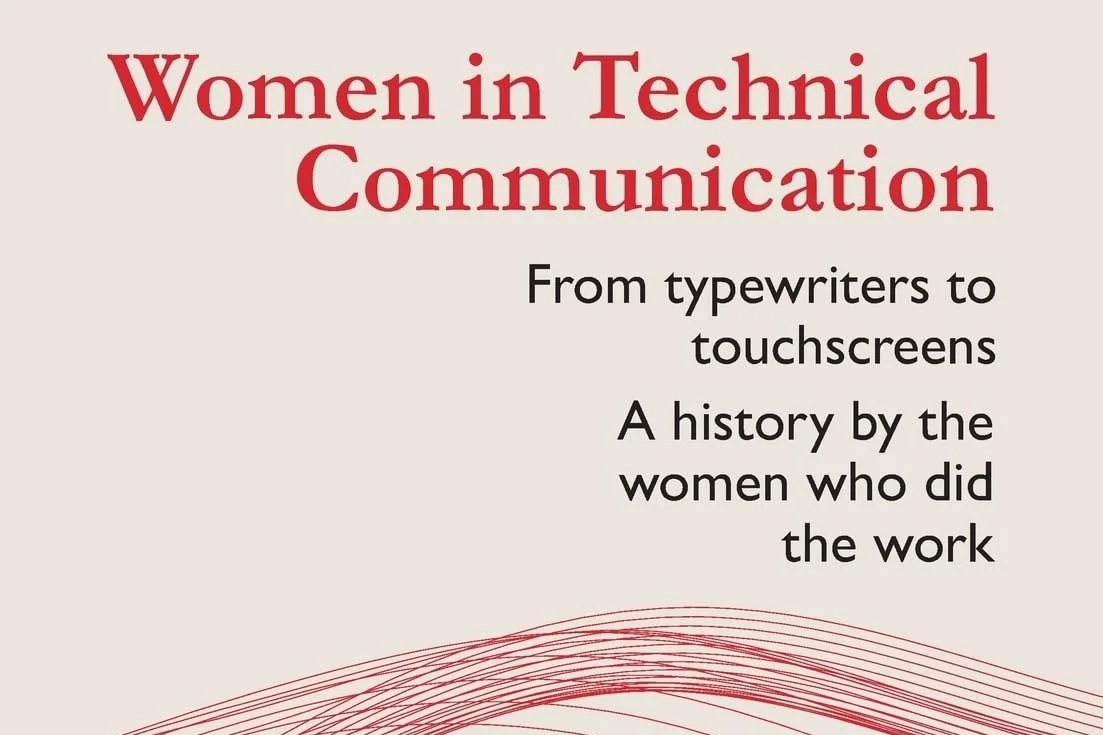
Women in Technical Communication
I'm one of more than 70 contributors to Women in Technical Communication, an anthology edited by Sharon Burton that brings together first-person accounts from the women who built this field. The book spans fifty years of industry change, told by the people who lived it. My essay covers how I got into technical writing, what the workplace actually looked like for women in the early 1990s, and the path that led me to information architecture and DITA consulting.

Sample Job Description: DITA-OT Developer
Every successful DITA implementation needs someone who can build and maintain DITA-OT output plugins. This sample job description from Amber Swope gives you a ready-to-adapt template for the DITA-OT Developer role.
Sample Job Description: Delivery Information Architect
The Delivery Information Architect is the person who makes sure content doesn't just exist — it works on the platform where users actually encounter it. This sample job description gives you a template for hiring or defining the role.

The Role of an Information Architect in a DITA Implementation
Most DITA implementations fail to involve an information architect early enough — or at all. Amber Swope explains the two distinct flavors of IA your implementation needs, and why the role should never be left until the end.

Where’s Waldo—Finding Data (and Metadata) in Your Content: Resources
Your content already contains data and metadata — most teams just don't know where to find it. This implementation checklist and resource guide from Amber Swope walks you through how to surface, assess, and put that metadata to work.

Information Architecture Migration Readiness Assessment
A CCMS implementation built on weak information architecture will fail. Amber Swope's readiness assessment gives you a concrete checklist of everything your IA needs to have in place before your implementation begins.

Can You Afford to Do It Twice? Know When to Use Experts to Help With Your DITA Implementation
Every DITA implementation reaches a point where the team has to decide: do we figure this out ourselves, or do we bring in an expert? Amber Swope breaks down exactly which tasks require outside expertise and which don't — so you don't pay twice for the same work.

Information Architecture Glossary
The terminology of information architecture and DITA can be disorienting at first. This glossary gives you clear, practical definitions of the key concepts — organized to help you build your understanding from the ground up.

What Is DITA? The XML Standard, Format, and Architecture Explained
DITA isn't a tool or an application — it's an architecture. Amber Swope explains what the Darwin Information Typing Architecture is, why it's built around topic types and reuse, and what it makes possible for organizations with complex content needs.

DITA Maturity Model
Not every organization needs the same level of DITA investment — but how do you know where you fall? The DITA Maturity Model by Amber Swope and Michael Priestley gives you a framework for aligning your investment in IA, technology, and process with the specific results you're trying to achieve.

Four Best Practices for Sharing Content Across Departments using DITA
Every enterprise promises to share content across teams — and most fail. Amber Swope explains the four things you have to get right before cross-department content sharing with DITA will actually work: goals, architecture, authoring standards, and storage.